The Yardnote blog
Practical guidance on Defra Digital Waste Tracking, compliance deadlines and running a tighter yard.
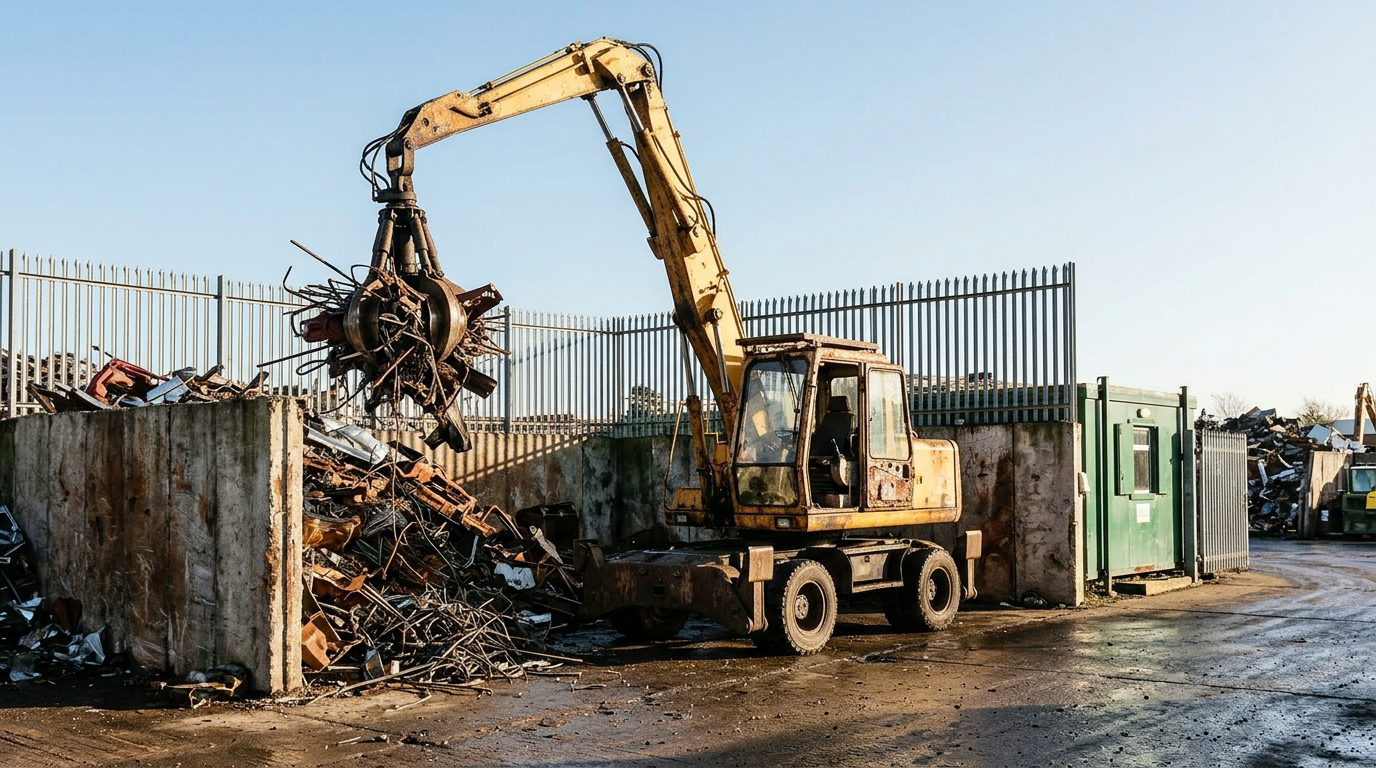
How Much Does an Environmental Permit Cost a UK Waste Site? (2026)
A plain-English breakdown of what an environmental permit costs a UK waste site in 2026 - the EA application charge, the annual subsistence charge, the Wales figures, and the hidden costs most operators forget to budget for.
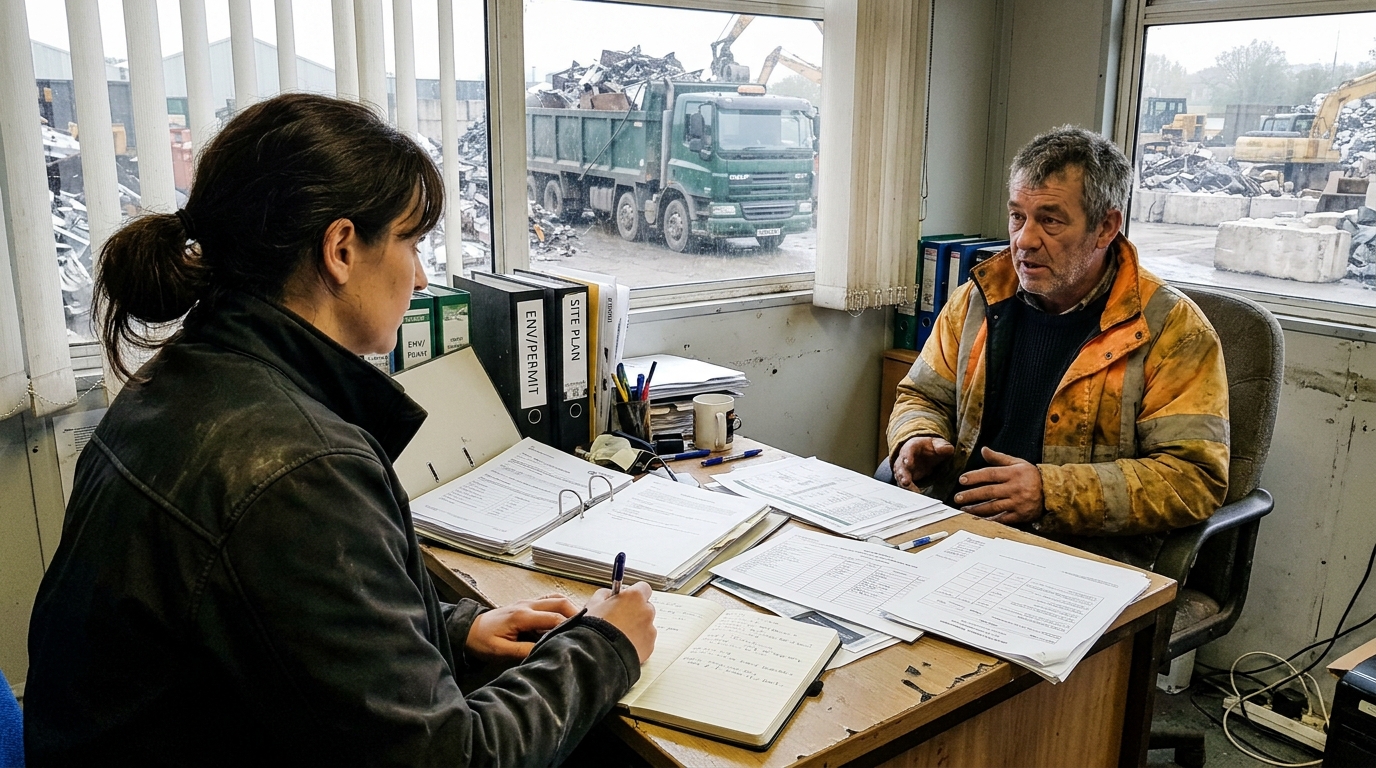
What Does an EA Inspection Actually Check? (Answered)
An Environment Agency inspection tests your permit conditions, your records and your site controls - then scores what it finds into a compliance band that sets your subsistence charge and your permit risk. Here is exactly what an officer checks and how the scoring works.
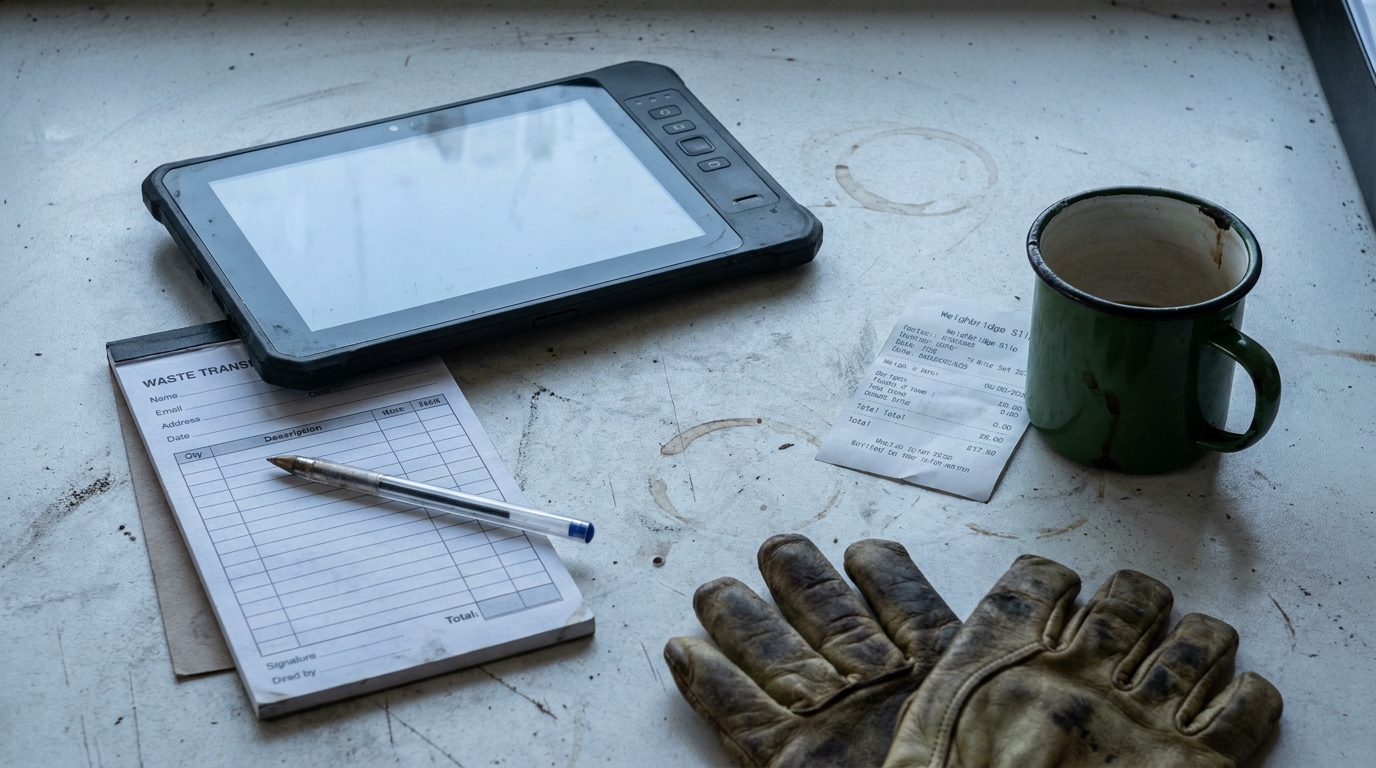
Digital Waste Tracking: How to Report Received Waste (and Fix a Bounced Submission)
The mandate is live. Here is the day-one drill for a UK waste site - how to report each load you take in, the 2-working-day clock, why a submission bounces, and how to fix it inside the window.
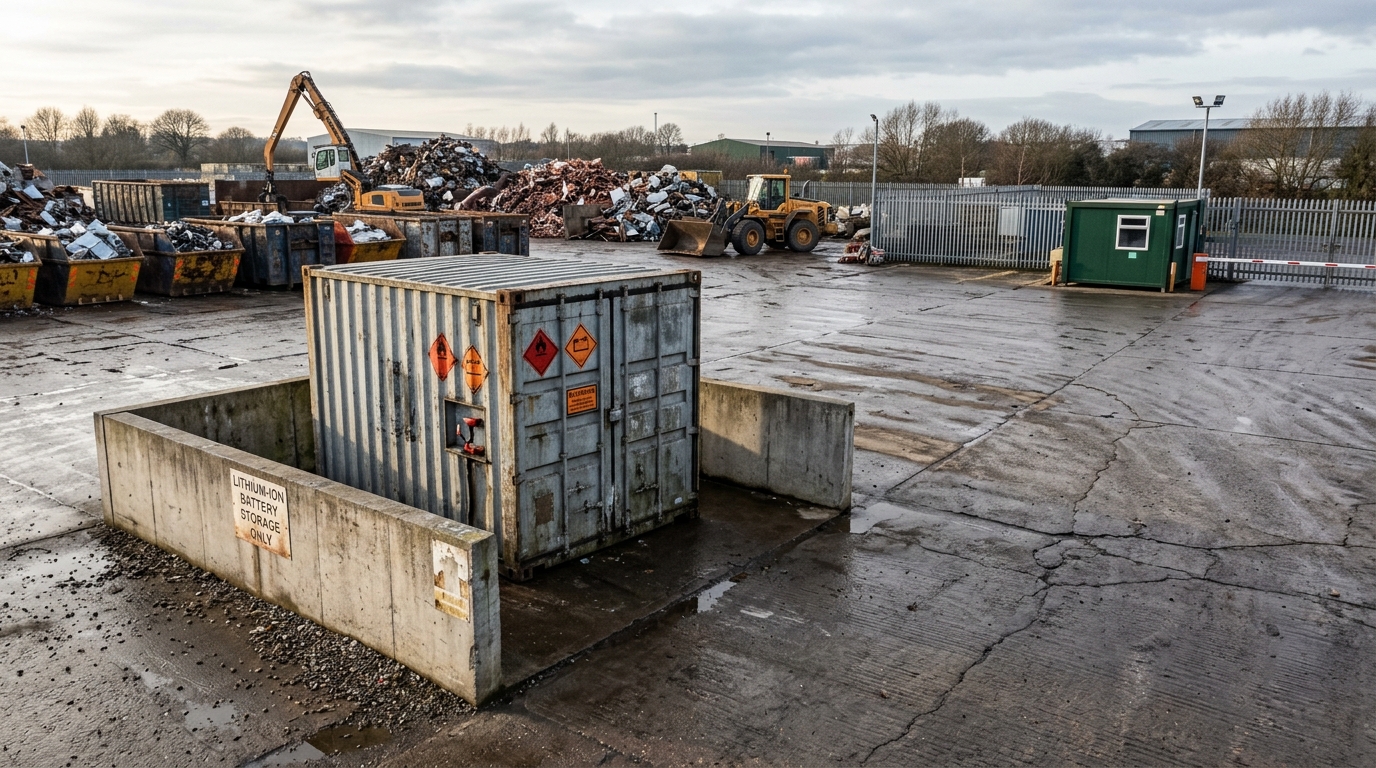
The Lithium-Battery Fire-Risk Checklist for Waste Receiving Sites
A gate-to-quarantine checklist for keeping hidden lithium batteries and vapes from torching your site: how to screen incoming loads, segregate and store them, and meet your Fire Prevention Plan.
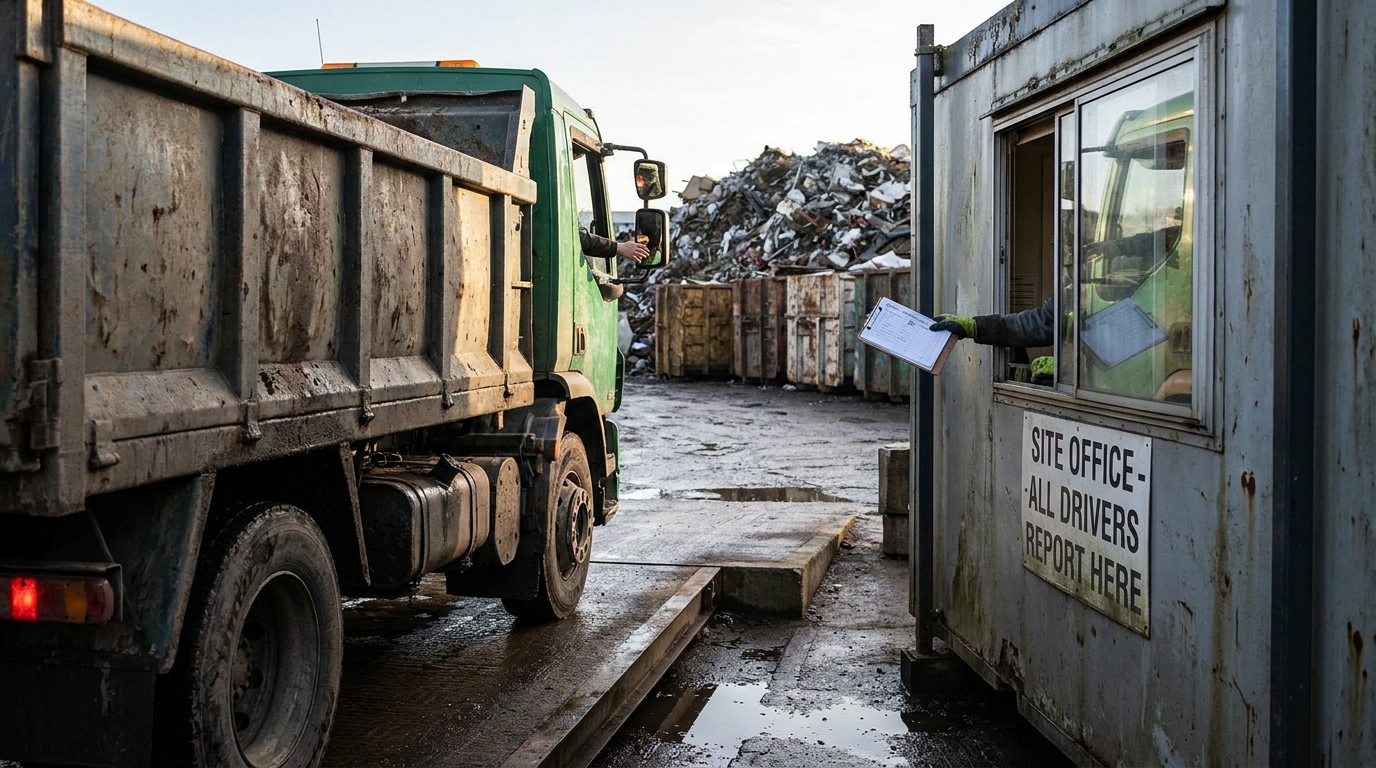
7 Waste Transfer Note Mistakes Waste Sites Make (and How to Fix Them)
The transfer note is the one piece of paper that follows every load across your weighbridge, and most sites get the same few fields wrong. Here are the seven waste transfer note mistakes that fail a duty-of-care check, and the fix for each.
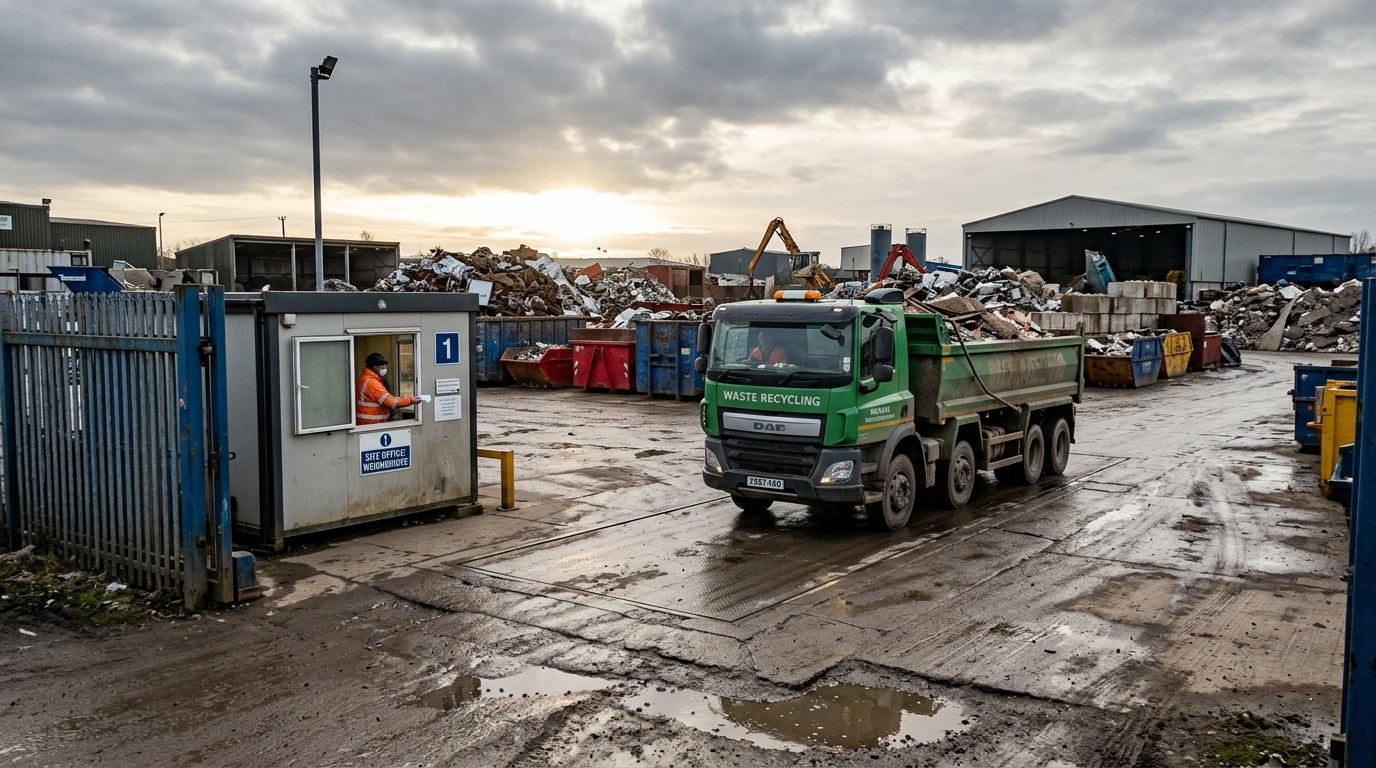
What Is Duty of Care for Waste? A Guide for UK Waste Site Operators
What the waste duty of care actually is, where it comes from, who it falls on, and how it connects to your permit, transfer notes, EWC codes and Digital Waste Tracking - a plain-English reference for UK waste site operators.
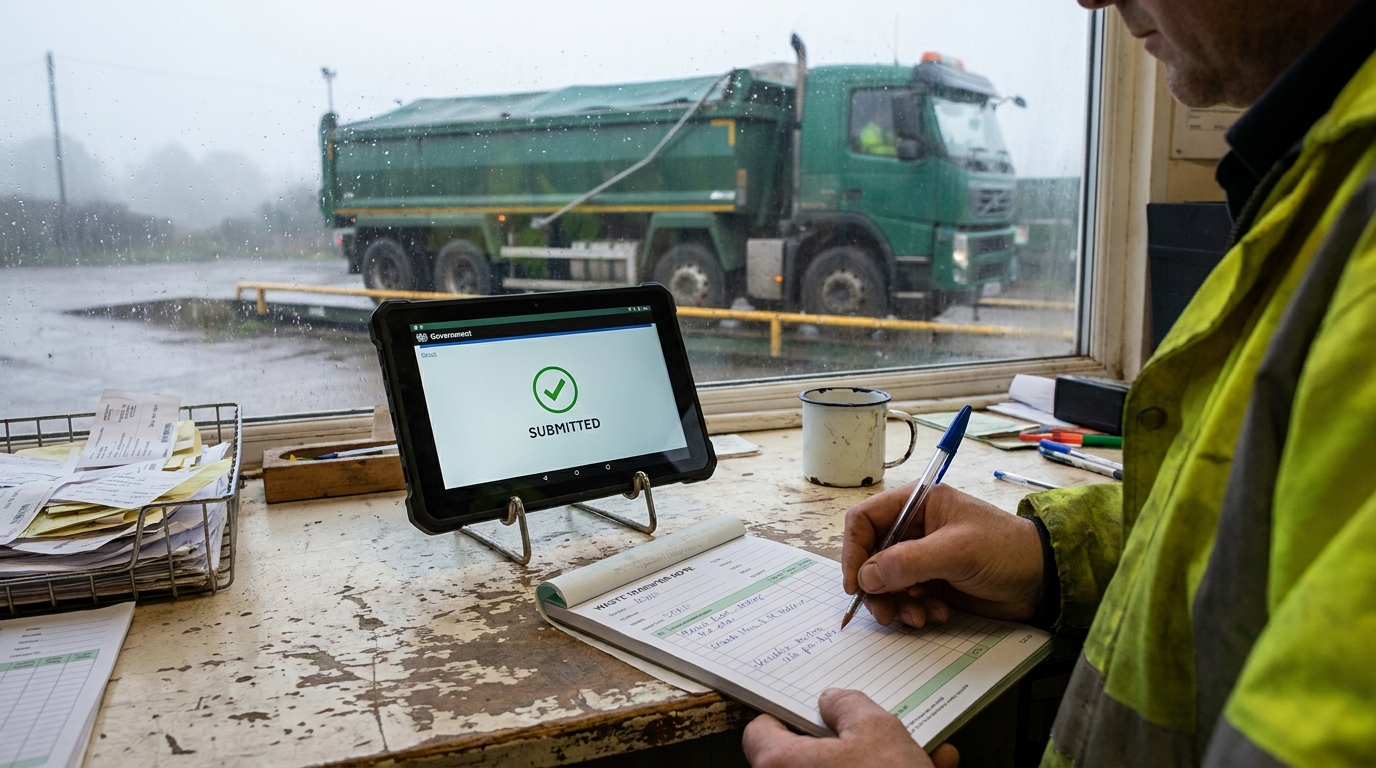
What Records Do You Still Have to File After Digital Waste Tracking Goes Live? (Answered)
Digital waste tracking is added on top of your records, not a replacement for them. Here is the full inventory of the paper notes and returns a permitted receiving site still files from 1 October 2026, and how long you keep each one.
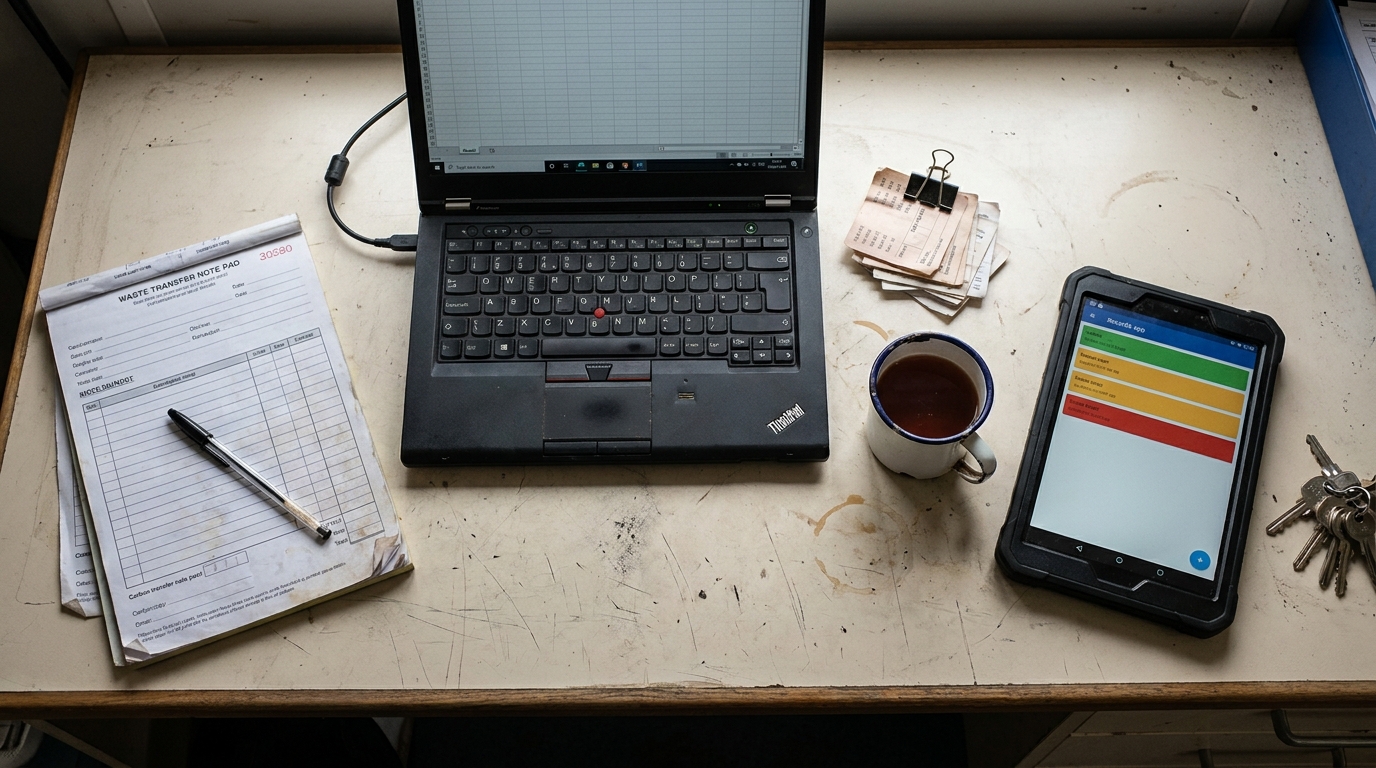
Paper vs Defra Spreadsheet vs Software: DWTS Recording Options for UK Waste Sites 2026
From 1 October 2026 every load you take in must reach Defra within 2 working days. Here are the three recording routes - paper, the free Defra spreadsheet and connected software - and how to pick the one that fits your site.

The EA Inspection Checklist for Permitted Waste Sites
A score-aware EA inspection checklist for permitted waste sites: what the officer checks, how each failing maps to a CAR risk category and compliance band, and what that does to next year's permit bill.
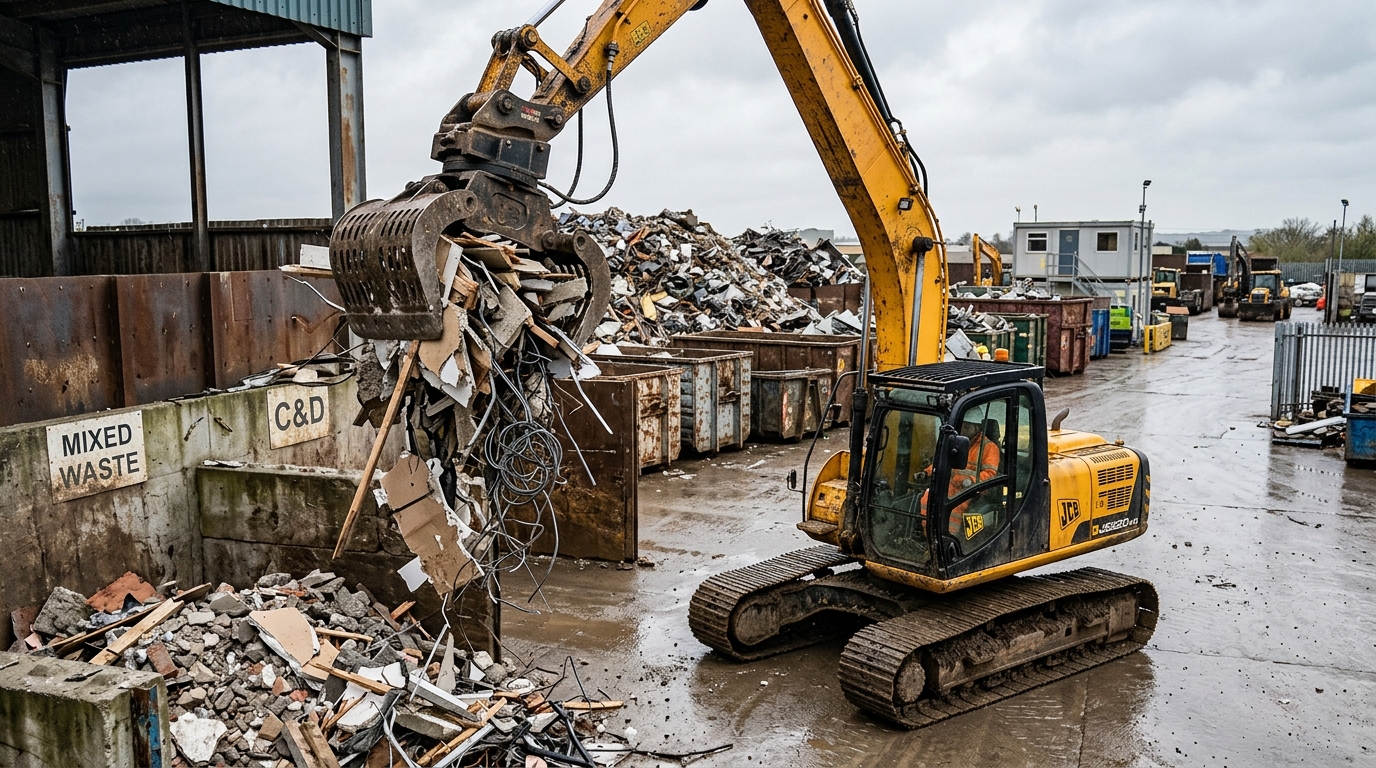
How to Pick the Right EWC Code at the Weighbridge
From 1 October 2026 the EWC code your operator picks at the gate is a logged, required field. Here is the step-by-step way to get it right at the weighbridge, first time.
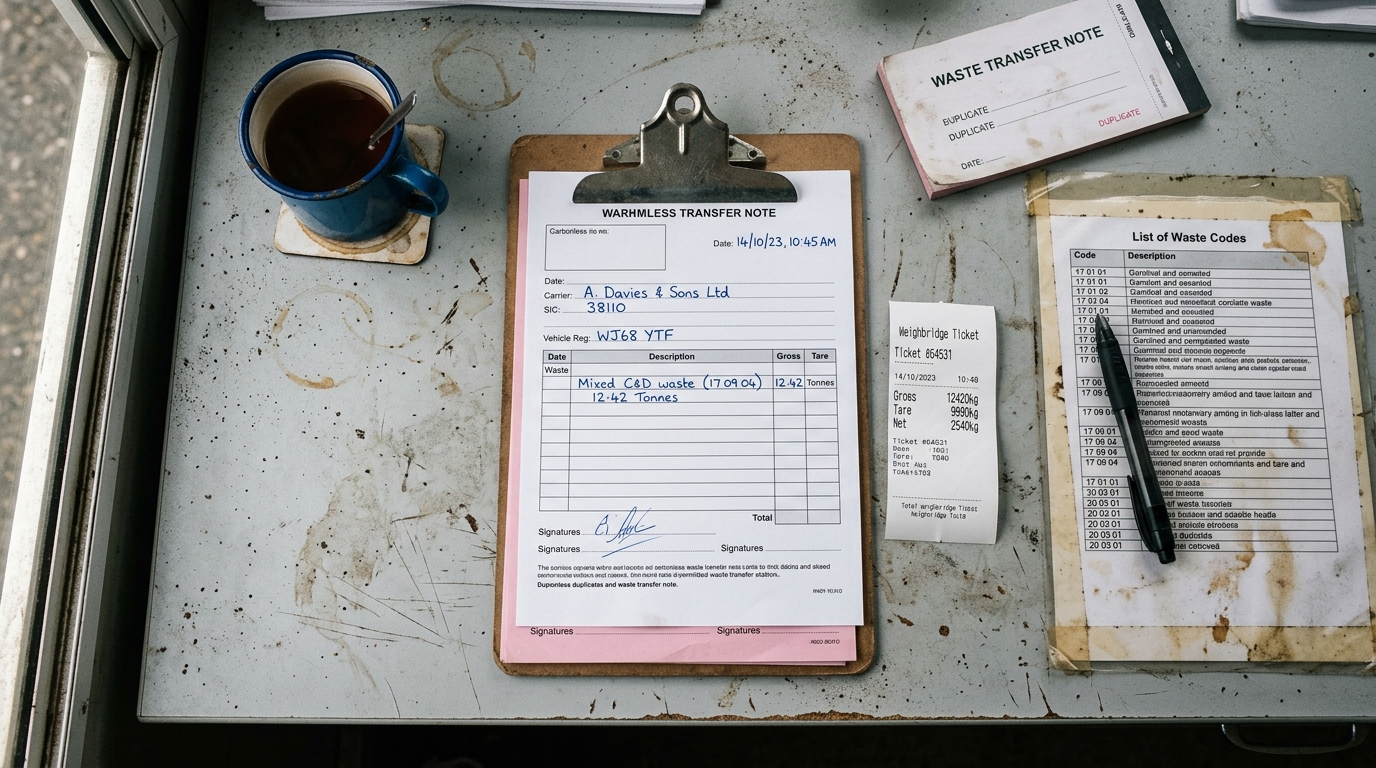
What Is a Waste Transfer Note? A Guide for UK Waste Site Operators
A waste transfer note is the written record that must accompany every transfer of non-hazardous controlled waste - proving both sides met their duty of care. Here is what it must contain and how long you have to keep it.
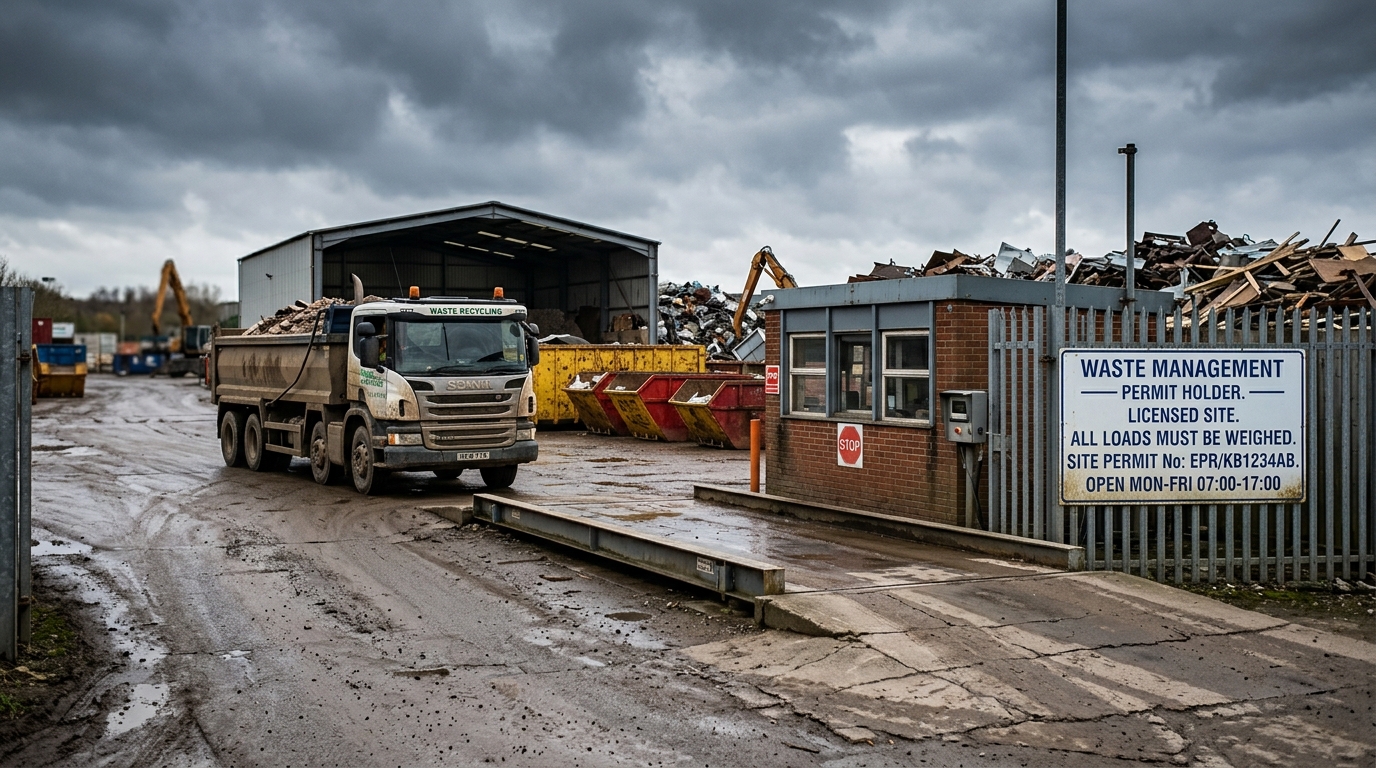
Do UK Waste Transfer Stations Need to Comply with DWTS? (Answered)
Yes. If you hold an environmental permit and receive controlled waste in England or Wales, your transfer station is in Phase 1 of digital waste tracking from 1 October 2026. Here is exactly who is in scope, by when, and what you have to do.
What the EA's 10-Point Plan on Waste Crime Means for Your Permit (2026)
The Environment Agency's 10-Point Plan puts an extra £45m and tougher fit and proper checks behind waste-crime enforcement. Here is what it changes for a permitted site, and what to do about it.
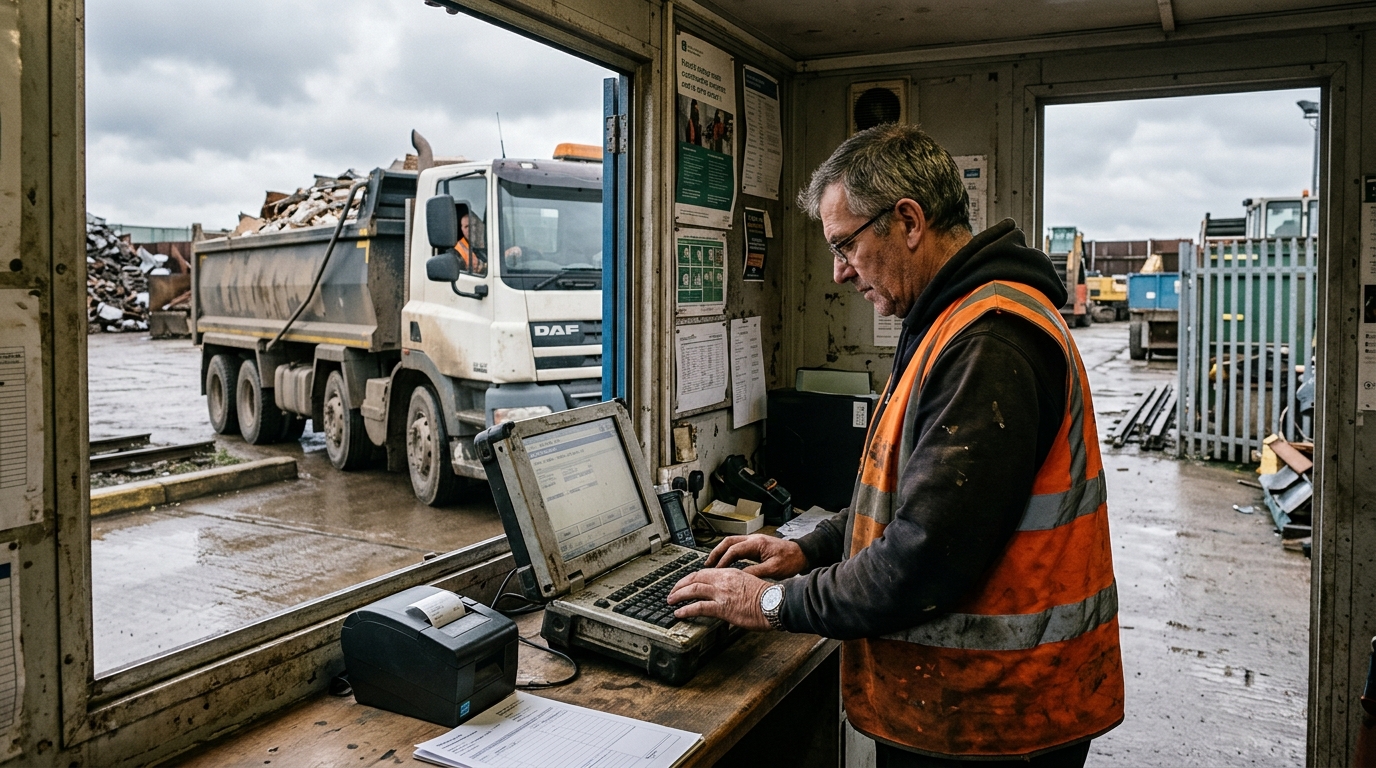
How to Get Your Weighbridge Workflow Ready for DWTS at Your Waste Site
A practical, gov.uk-cited guide to getting your weighbridge and gate workflow ready for Digital Waste Tracking: what to capture per load, why you do not have to weigh everything, and how the 2-working-day clock actually works.
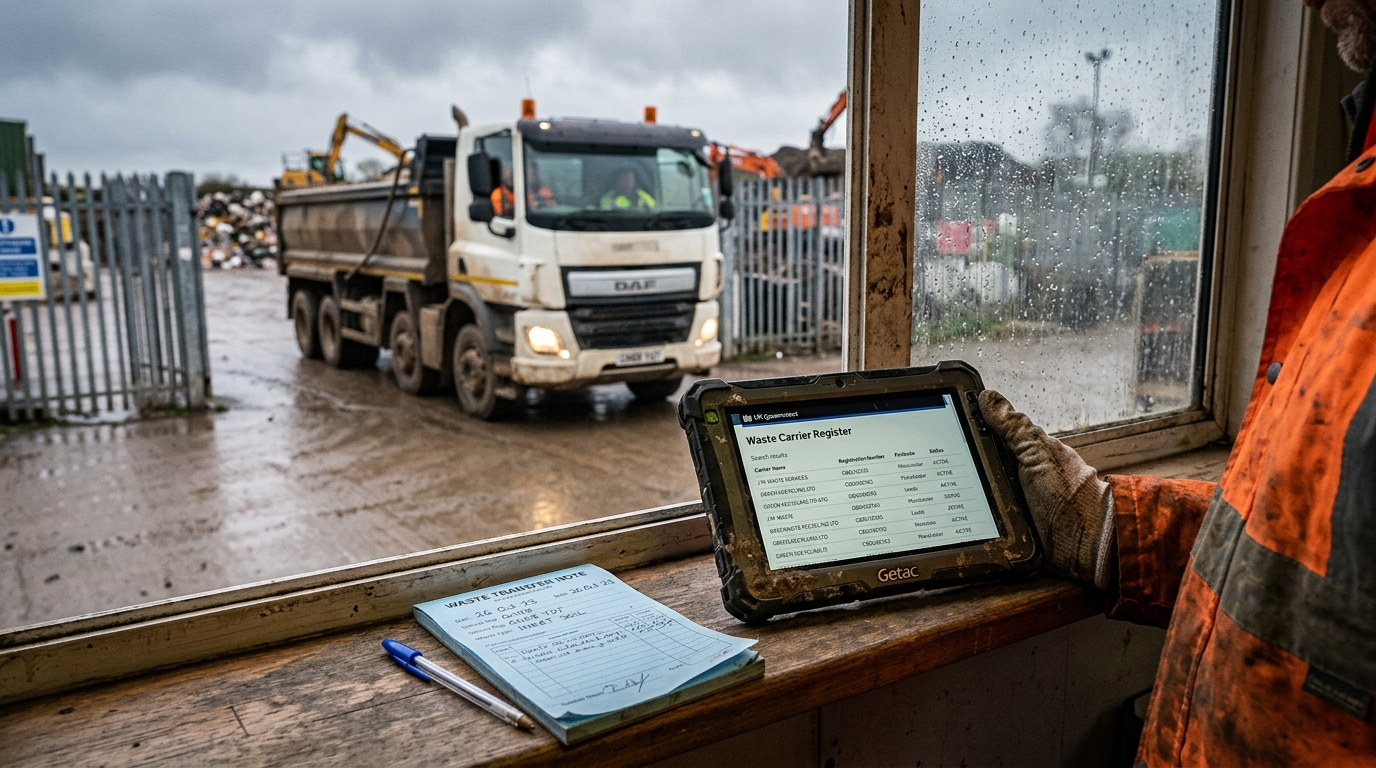
The Duty of Care Checklist for Permitted Waste Sites
A practical duty of care checklist for permitted waste-receiving sites: describe and code the waste, check the carrier, complete the transfer note, and keep the right records.
What Is Digital Waste Tracking? A Guide for UK Waste Site Operators
Digital waste tracking, explained without the jargon - what the new Defra service is, when your permitted site has to use it, what you record, and what still has to stay on paper.

8 EWC Code Mistakes Waste Sites Make (and How to Fix Them)
The EWC code your operator picks at the gate is about to become a logged, validated field. Here are the eight classification mistakes waste sites make most - and the one-line fix for each.

How to Prepare for an EA Inspection at Your Waste Site
An EA officer at your gate can end in an enforcement notice, a worse compliance band and a bigger permit fee. Here is how to get your site ready.
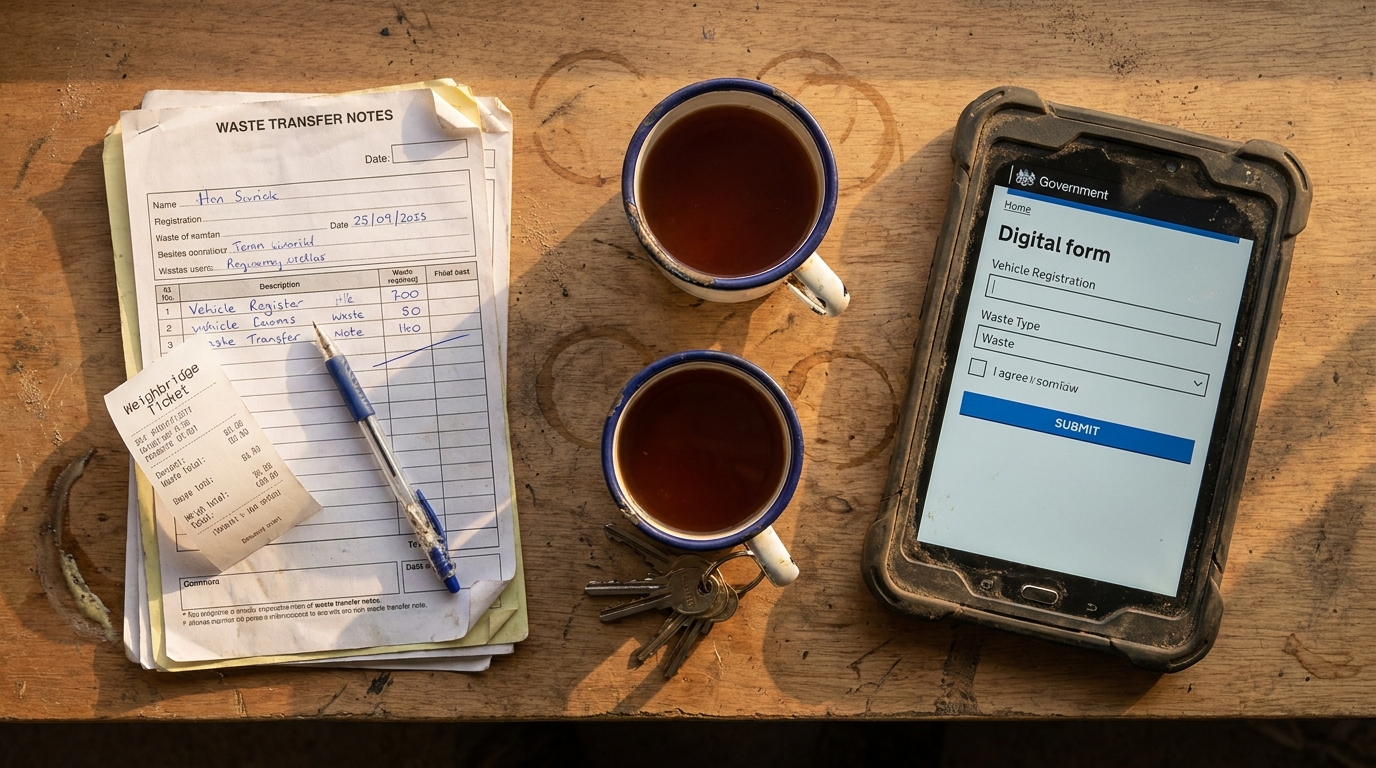
Do You Still Need Paper Waste Transfer Notes Under Digital Waste Tracking? (Answered)
The short answer is no, digital waste tracking does not replace your paper transfer notes in Phase 1. GOV.UK is clear the paper runs alongside the new service. Here is what you still complete, and what changes.
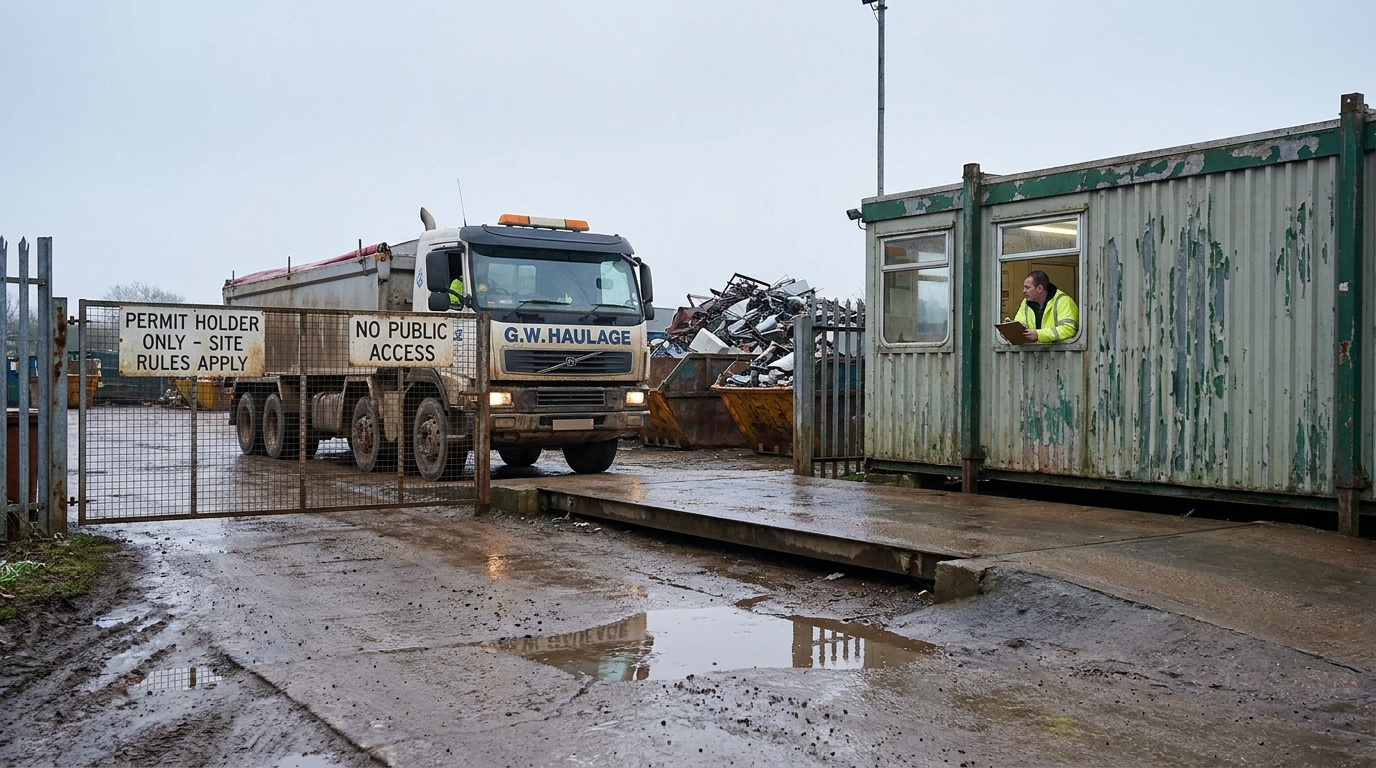
The DWTS Readiness Checklist for Permitted Waste Sites
England and Wales go live on 1 October 2026. Here is the plain, step-by-step readiness checklist to get your permitted waste site ready for Digital Waste Tracking - without the sales pitch.
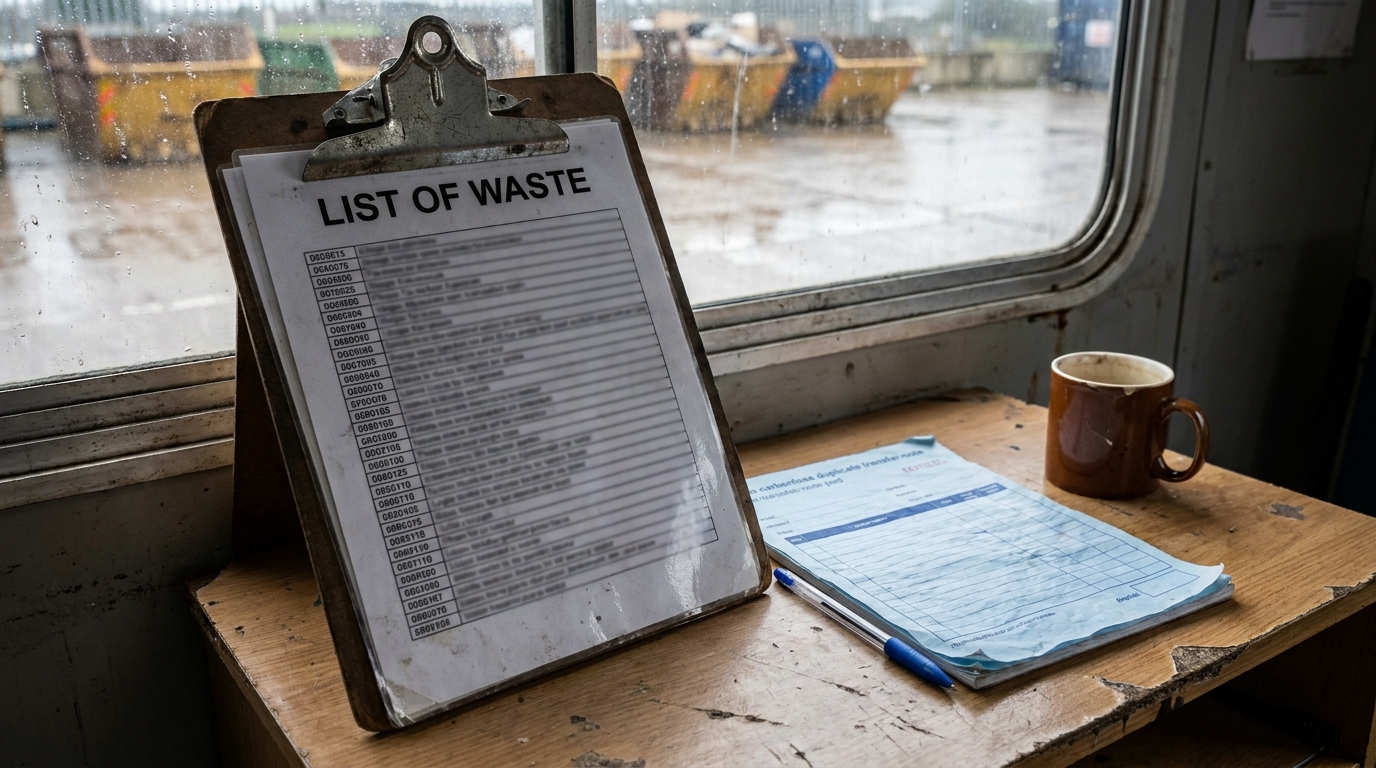
What Is an EWC Code? A Guide for UK Waste Site Operators
EWC codes decide whether a load is hazardous - and the wrong one can cost you over £120 a tonne. Here is what the six-digit List of Waste code means and how to get it right.